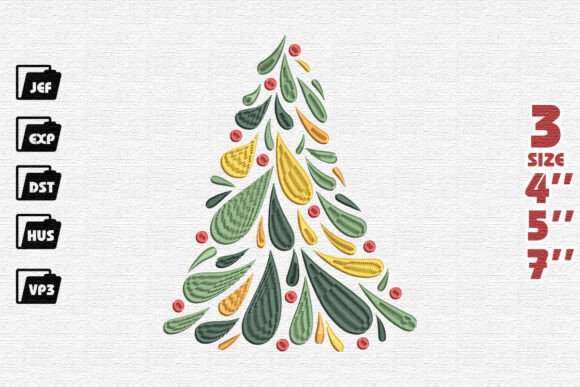
Christmas Tree Machine Embroidery
A Whimsical, Booth-Ready Holiday Design — Tested for Craft Fairs & Handmade Markets
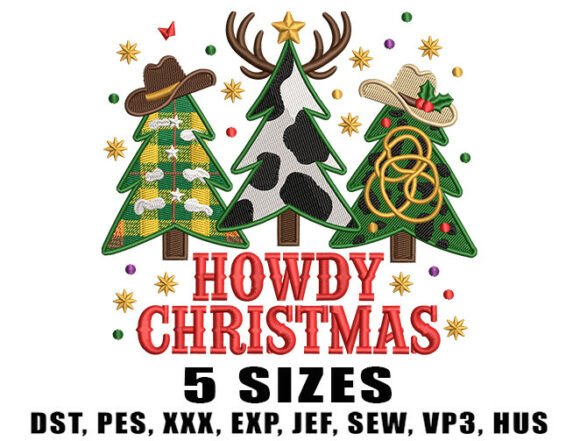
As an embroidery designer who’s prepped over 80 craft fair booths in the past decade — from snowy Midwest winter markets to sun-drenched Southern pop-ups — I opened Christmas Tree Machine Embroidery with one question: Will this stop a shopper mid-aisle? The answer is yes — but only if you use it right. This isn’t a generic pine silhouette or minimalist outline. It’s a whimsical Christmas tree embroidery design with ornaments, and that “whimsical” matters. It reads as joyful, handmade, and intentionally playful — not mass-produced or overly sweet. That tone lands perfectly for tote bags, tea towels, and embroidered patches displayed at local markets or listed by Etsy sellers.
First Impression: Festive, Friendly, and Fully Marketable
At first glance, Christmas Tree Machine Embroidery feels festive without being loud, decorative without sacrificing clarity, and handmade without looking amateurish. It leans into charm rather than elegance — think farmhouse kitchen meets vintage toy shop. That makes it ideal for small shop products where authenticity and warmth drive sales. Customers don’t buy holiday decor; they buy *feeling*. And this design delivers nostalgia, cheer, and approachability — all in one stitch-perfect package.
Where It Shines: Product-by-Product Reality Check
- Tote bag design: A standout. Centered on a natural canvas or oatmeal linen tote, the tree reads clearly even from six feet away. Its balanced proportions (thanks to the three included sizes) let you scale it confidently — large for front-panel impact, medium for side accents.
- Apron embroidery: Works beautifully above the pocket or centered on the bib. Avoid placing too low near the hem — ornament details can blur with movement or folding.
- Tea towel embroidery: Ideal for cotton or linen blends. The whimsy reads well against textured fabric, but test thread contrast carefully — light green thread on ecru terry can fade visually unless stabilized properly.
- Embroidered patch: Excellent candidate. Clean edges, defined ornaments, and moderate stitch density mean it’ll hold up through iron-on application and repeated washing.
- Caps & curved surfaces: Use the smallest size only. Ornament shapes may distort on tight curves — always run a test on scrap baseball cap fabric before committing.
- Pillow covers & pouches: Strong performers. The design fills space without overwhelming — especially on 12"–16" square pillows or 5"–7" zippered fabric pouches.
- Printable mockup & Etsy listing: Photographs exceptionally well. The ornament variety adds visual interest in flat-lay shots, and the consistent shape ensures cohesive branding across multiple product listings.
Production Practicality: What Makes This Design Sell — and Scale
Christmas Tree Machine Embroidery earns high marks for batch production. Its clean outlines, intentional spacing between ornaments, and absence of micro-details mean fewer thread breaks and less re-hooping. You’ll appreciate the three size options: small for patches and tags, medium for aprons and towels, large for tote bags and pillow fronts. No guesswork — just smart scalability.
That said, don’t skip testing. Stitch density looks balanced in the file preview, but on thick fabrics (like denim totes or quilted market bags), dense ornament centers may pucker without proper cutaway stabilizer. Likewise, dark fabric demands high-contrast thread colors — review your chosen palette against black or navy before stitching your first run.
Careful-Use Notes Every Designer Should Know
- Avoid using the largest size on textured tea towels — fine ornament stems may disappear in the pile.
- Don’t shrink the smallest size further — tiny ornament loops and star toppers lose definition below ~1.75".
- On caps or curved seams, confirm hoop size compatibility — some versions may require repositioning or digitizing tweaks.
- Test on your exact fabric blend. Linen-cotton tea towels behave differently than 100% cotton quilting weight — and both react uniquely to the same machine embroidery design.
- Dark backgrounds demand careful thread selection. Metallic or pastel greens often vanish; opt for kelly green, forest, or chartreuse for visibility.
Why This Design Strengthens Your Booth & Brand
In a sea of red-and-green clichés, Christmas Tree Machine Embroidery stands out by feeling *designed*, not downloaded. It signals attention to detail — from ornament variety to balanced negative space — which elevates perceived handmade quality. When stitched cleanly on a natural-fiber tote or linen apron, it tells customers: This maker cares about craft, not just commerce.
For Etsy sellers and boutique makers, that impression translates directly to higher conversion and repeat buyers. It also supports brand consistency: pair it with coordinating snowflake or candy cane designs (if part of a collection), and your holiday line feels intentional — not pieced together.
Designer-to-Designer Checklist Before You Stitch
- Run a test on scrap fabric matching your final product’s weight and texture.
- Verify thread contrast — especially for dark or busy prints.
- Review spacing between ornaments and trunk — ensure no floating elements risk snagging.
- Confirm hoop size fits your machine and intended product layout.
- Inspect stitch density in ornament clusters — adjust stabilizer type accordingly (cutaway > tear-away for heavy fabrics).
- Create at least one real-world mockup — not just a digital preview. See how light hits the stitches in person.
- Compare how the design reads across 2–3 fabric colors — ivory, charcoal, and sage tell very different stories.
- Confirm commercial licensing terms before selling finished products — this is non-negotiable for small shop owners and digital sellers.
Bottom line? Christmas Tree Machine Embroidery isn’t just another holiday file — it’s a thoughtful, booth-tested asset. It balances charm and clarity, scales reliably, and invites engagement without demanding perfection. For craft fair sellers, handmade shop owners, and Etsy sellers building a memorable holiday collection, this is the kind of digital embroidery file that turns browsers into buyers — one cheerful, well-stitched tree at a time.